
Red marks, dark marks and acne scars
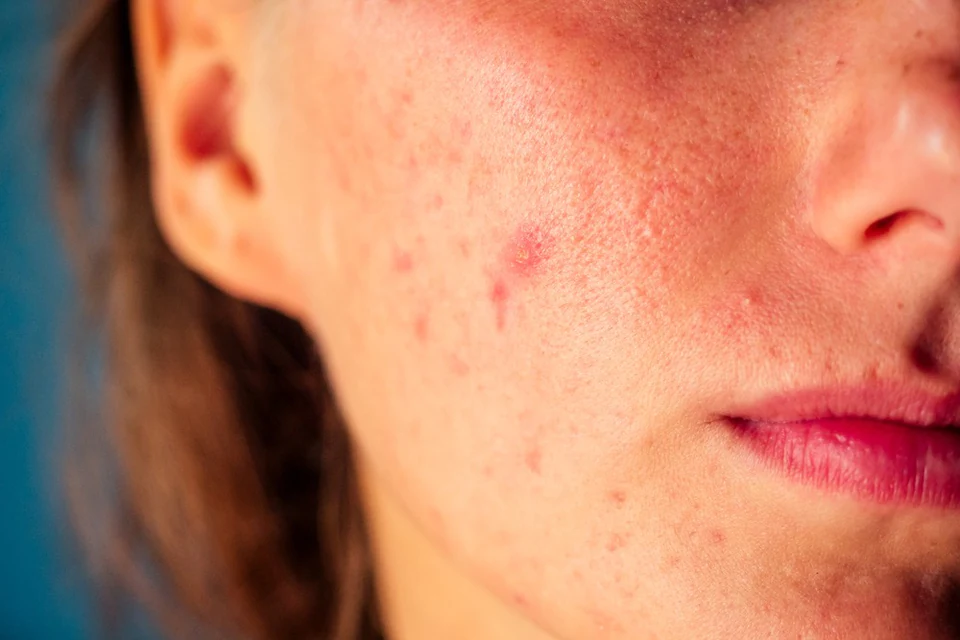
Inflammatory acne may leave color changes or scars even without picking or squeezing. Managing acne inflammation is therefore part of reducing the chance of later marks.
How color changes differ from scars
Post-inflammatory erythema, also called macular erythema, refers to red marks. Post-inflammatory hyperpigmentation refers to brown or dark marks. These are changes in skin color. A flat mark does not necessarily mean a depressed scar. Atrophic or pitted scars involve a change in texture with a depression in the skin and can occur alongside color changes.
Care and treatment options
A physician should identify the type of mark and control active inflammatory acne before selecting treatment. Some topical medicines, such as a retinoid or salicylic acid, may make certain scars less noticeable. Suitability depends on the person’s skin and the type of mark. AHA/BHA acids, retinoic acid, and products containing licorice, arbutin or vitamin C should not be selected solely because of their ingredient names. Do not take vitamin A or E on your own to treat acne marks.
Lasers and other procedures may be options depending on the type of mark or scar. A physician must assess the skin, current medicines, precautions and aftercare first. The names V-Beam or Smooth-beam do not establish suitability for everyone.
Results and recovery
Procedure duration, number of sessions, visible changes and recovery time vary with the person and treatment. Side effects can occur. Discuss expectations and risks with the physician, including when it is appropriate to resume makeup or daily activities.
Article images


References
The information on this website is for educational purposes only and is not a substitute for diagnosis or treatment by a physician. If you have symptoms or questions about a skin condition, please consult a dermatologist. Contact Asoke Skin Hospital at asokeskin.com
Medical disclaimer