
Neonatal acne and infantile acne
Newborn facial pustules
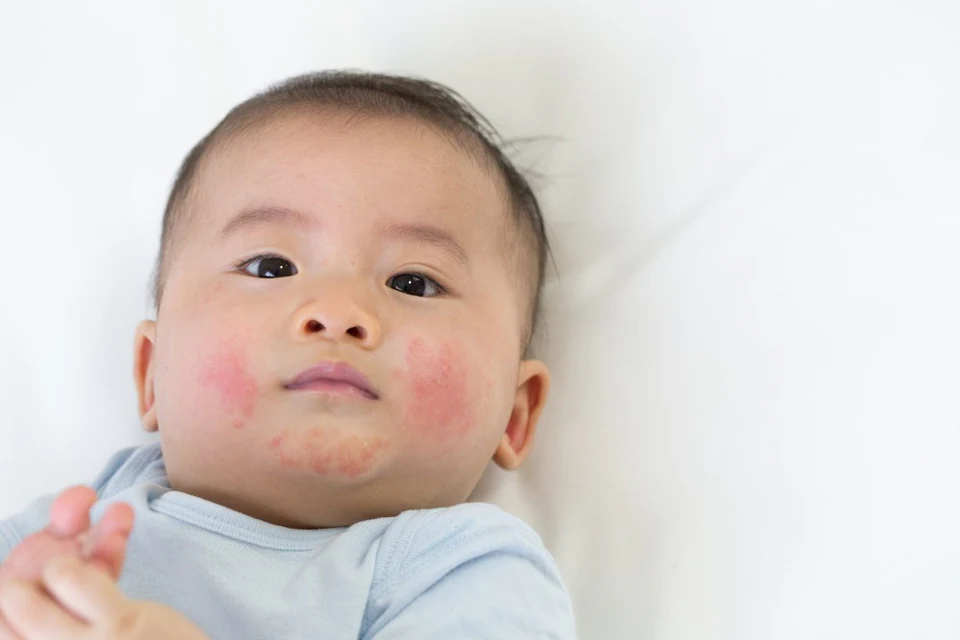
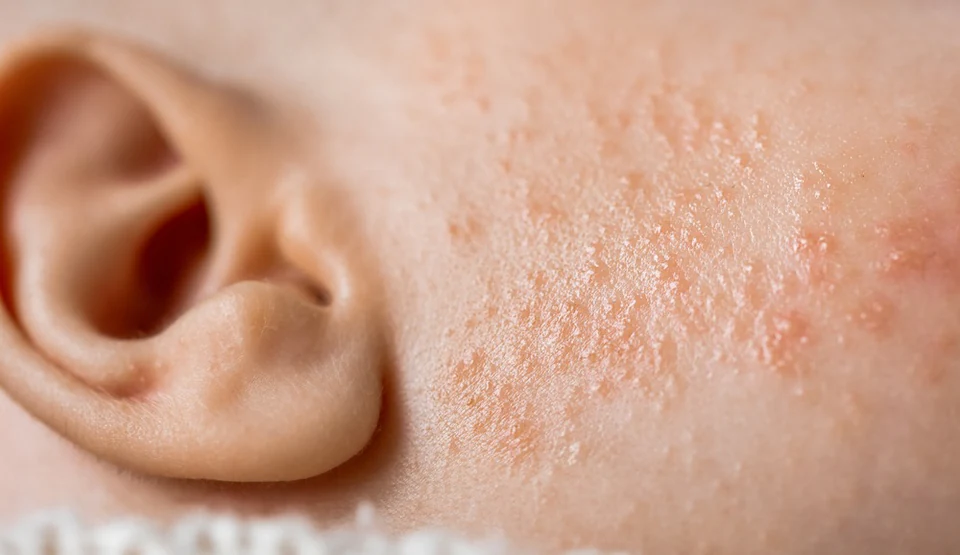
Neonatal cephalic pustulosis appears as pustules on a newborn’s face. It can look like newborn acne but differs from neonatal acne, which may include comedones. Comedones are usually absent and scarring is generally uncommon. This pattern is associated with Malassezia colonization and microscopy and culture are possible diagnostic tests. It often clears without treatment, although a topical antifungal may be considered when the eruption is more marked.
Infantile acne
This commonly affects the cheeks and sometimes the forehead and chin after six weeks of age, often beginning between three and six months. It is more common in boys and may be mild to moderate. The time to improvement varies; many cases take about six months to a year.
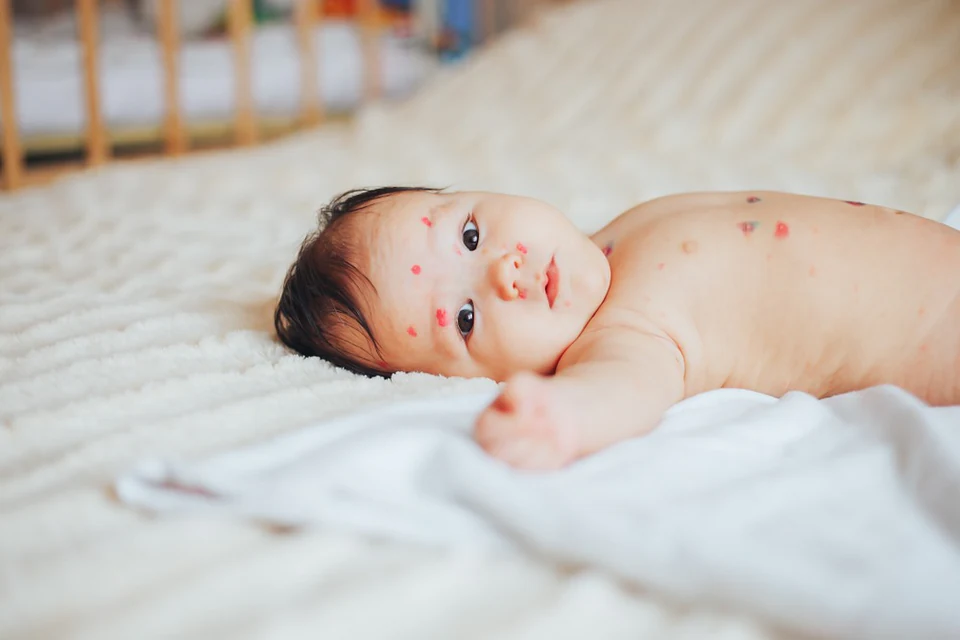
Lesions may include whiteheads, blackheads, red inflammatory papules and pustules, and scars can occur. Reports also describe cases resolving by ages three to four, with around 80% occurring in boys and onset within the first year. A family history of acne has been reported in 77%, suggesting a possible inherited contribution.
Most affected children are otherwise healthy, but in a minority, infantile acne can be a sign of an endocrine abnormality. Permanent scarring is possible. Severe infantile acne may be associated with a greater tendency to severe acne during adolescence.
Possible hormonal factors
The exact cause is uncertain. A possible explanation suggests a hormonal contribution, particularly the adrenal androgen dehydroepiandrosterone. Some cases have elevated testosterone, luteinizing hormone (LH) or follicle-stimulating hormone (FSH). Hormone tests are not necessary for most infants, and the need for investigation should be assessed clinically.
Treatment precautions
A pediatrician or dermatologist must assess the type and severity before treatment. Do not use acne medicines or acne washes on a baby without medical advice. Topical and oral medicines discussed here, including benzoyl peroxide, erythromycin, trimethoprim and isotretinoin, require individual medical assessment and are not a shopping list for self-treatment. Do not give tetracycline to a young child on your own because it may affect teeth and growth.
Article images
References
The information on this website is for educational purposes only and is not a substitute for diagnosis or treatment by a physician. If you have symptoms or questions about a skin condition, please consult a dermatologist. Contact Asoke Skin Hospital at asokeskin.com
Medical disclaimer