
Acne mechanica
Acne mechanica is acne caused or aggravated by heat, clothing, pressure and friction against the skin. Possible triggers include sports helmets, tight synthetic sportswear, headbands, shoulder pads, backpack straps, bra straps, violin chin rests, tape left on the skin for several days and tight jeans. It is common among motorcycle riders.
Exercise, such as bench pressing, can aggravate acne where the skin rubs against the floor or a bench, especially when the skin is already oily. Friction and sweat during exercise can provoke pustules and red, swollen inflammatory lesions. To reduce this type of acne, wear smooth, soft exercise clothing, exercise on an even surface to reduce friction, and shower after exercise.
Besides the back and other areas subject to friction, inflammatory bumps can occur on the buttocks. Friction, accumulated sweat and bacteria living on the skin contribute. This is often seen in people who jog, play tennis, wear tight athletic supporters or abdominal supports, or use thick, rough clothing and wet sportswear or swimwear. Choose smooth, lightweight cotton sportswear and underwear. Keep the skin clean, shower and dry the skin, put on clean clothes, and avoid remaining in damp swimwear after leaving the water.
Factors that increase susceptibility
- Pre-existing sandpaper-like acne: very small comedones, or microcomedones, may be barely visible but make the skin feel rough. When triggered, they can become the inflammatory lesions seen in acne mechanica.
- A tendency to have acne away from the face. Adolescents and adults aged 20–30 who commonly have acne on the shoulders, back and buttocks are more susceptible when friction or other triggers occur.
- Military service in tropical conditions. Heat and humidity can promote acne mechanica together with friction from weapon straps and carried equipment.
Reducing friction-related acne
- Wear a clean cotton crew-neck T-shirt beneath a uniform or sports kit. Cotton absorbs sweat and reduces direct friction.
- After sport, wash the chest, back, buttocks and areas affected by rubbing or tight clothing. If the skin is very oily, a cleanser containing salicylic acid may be considered.
- Avoid prolonged use of headbands or hats.
Fiddler’s neck
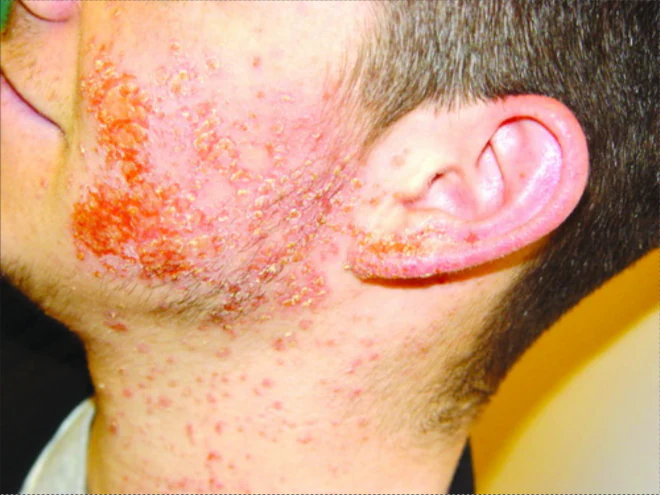
This form of acne mechanica is common among violin and viola players. Thickened skin develops at the chin where it contacts the instrument. The area may also develop dark pigmentation, red papules, pustules and cysts.
Article images
References
The information on this website is for educational purposes only and is not a substitute for diagnosis or treatment by a physician. If you have symptoms or questions about a skin condition, please consult a dermatologist. Contact Asoke Skin Hospital at asokeskin.com
Medical disclaimer